
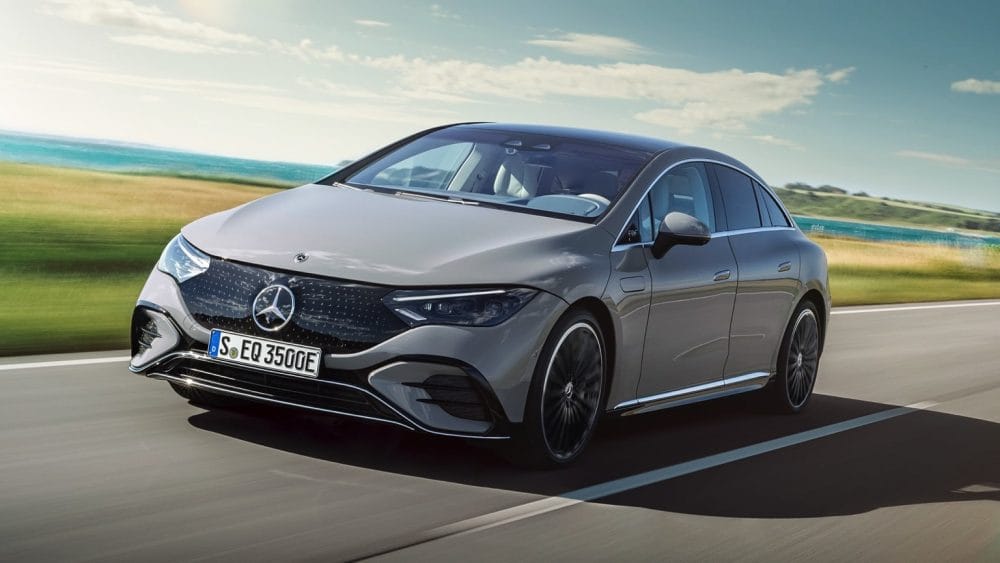
Mercedes-Benz has introduced a new type of solar paint for cars. This paint could let electric vehicles charge themselves from sunlight, adding around 20,000 kilometers of range each year in the best conditions.
Integrated Photovoltaics in Vehicle Paint
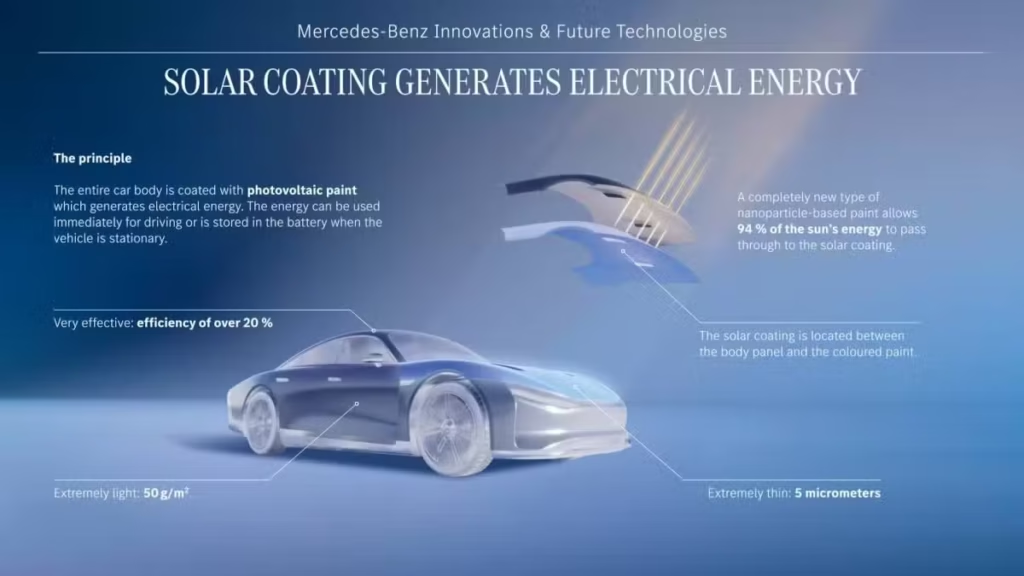
The key part of this technology is a tiny solar coating, only 5 microns thick and weighing just 50 grams per square meter. The paint reproduces the look of normal car paint but has ultra-thin solar cells embedded into the body panels without changing the car’s shape or aerodynamics.
A special nanoparticle layer helps 94% of sunlight reach the solar cells. It also allows for various colors on the car’s exterior, keeping customization options open.
Efficiency and Energy Output
The solar cells inside the paint have an efficiency level of about 20%. Covering roughly 11 square meters, this solar paint can generate enough power to drive an additional 12,000 kilometers annually in regions like Europe. In sunnier places such as California, it could support up to 20,000 kilometers per year.
Electrical System Integration
Mercedes engineers have created a small converter that boosts the low-voltage power from the solar cells to a level suitable for the vehicle’s high-voltage systems. This converter can keep working even when the car is parked, providing continuous energy.
The company also said that sometimes the system could produce extra energy. This surplus could be sent back to home power systems through vehicle-to-grid (V2G) technology.
Sustainable Manufacturing and Materials
The paint avoids using rare earth metals and Silicon, making it more eco-friendly and cheaper to produce. The process to apply the paint happens at room temperature and does not need special ovens or energy-intensive tools. This makes it more sustainable overall.
Barriers to Mass Production
Scaling up this technology will be challenging. Car surfaces come in many shapes and materials, so laying down an even coat is difficult. The system must also stay efficient despite exposure to weather, dust, and scratches over time.
Mercedes plans to keep testing and developing the solar paint through 2025. They expect commercial use around 2040.
Implications for EV Infrastructure
If brought to market, solar paint could cut dependence on charging stations and help increase the driving range of electric cars. It won’t fully replace regular charging, but it can lower costs and ease worries about running out of power, especially in sunny areas.
For more daily updates, please visit our News Section.