

The hard disk drive market is under new pressure after nearly two years of relative stability.
In the fourth quarter of 2025, HDD contract prices increased by approximately 4% quarter over quarter, according to a Digitimes Asia report that cited Nikkei. Suppliers anticipate that pricing pressure will continue, as this was the largest increase in eight quarters.
The report points to two main demand drivers behind the price increase. The first comes from China’s PC market, where demand for hard drives has rebounded due to changes in government procurement policy.
PCs built with domestically produced processors and operating systems are favored by these policies, which have accelerated local PC production.
HDD usage also increased as production increased. According to sources cited in the report, concerns regarding the long-term retention of data on solid-state drives were a factor.
SSDs are based on NAND flash memory, which can degrade data over long periods of storage, a condition known as bit rot. As a result, some buyers have shifted back to HDDs for specific use cases, reversing what had appeared to be a steady move toward all-flash storage.
US Data Centers Add Further Pressure
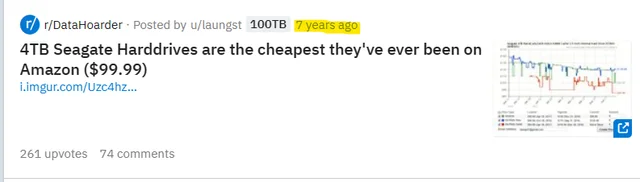
The second major source of demand comes from US data centers. Demand for high-capacity nearline HDDs continues to grow as hyperscale operators rely on them for bulk storage, backups, and cold or warm data tiers. Due to their lower cost per gigabyte, spinning disks remain essential to large-scale storage despite the expansion of flash storage.
As artificial intelligence workloads grow, so does the amount of data generated and stored. Much of that data ends up on large-capacity hard drives, adding further strain to supply.
According to the TrendForce data cited in the report, HDD manufacturers are already operating at full capacity, but they are still unable to meet the demand from cloud service providers.
Additionally, Nearline HDD prices increased by approximately 4% quarter-over-quarter, indicating that the problem extends beyond the PC market.
AI Infrastructure Drives Broader Supply Constraints
The renewed pressure on HDD pricing is closely tied to the broader expansion of AI infrastructure. Memory, storage, power equipment, construction resources, and GPUs and accelerators are also being used by data centers.
High-bandwidth memory and enterprise DRAM are already hard to come by, and higher prices for DRAM have made it more expensive to make hard drives, which use DRAM as cache memory.

At the macroeconomic level, this increase in AI-related investment has become apparent. Rather than consumer demand, capital spending on data centers, servers, and related infrastructure has accounted for a significant portion of recent GDP growth in the United States. HDDs form part of that same investment cycle.
Limited Capacity Keeps Market Tight
HDD production is dependent on specialized components like read and write heads and precision media, in contrast to flash memory, which can scale through new fabrication plants and process enhancements.
Expanding capacity is slow and costly, and manufacturers have been cautious after years of consolidation and pricing pressure. As a result, the market can tighten quickly when demand rises from multiple sources at the same time.
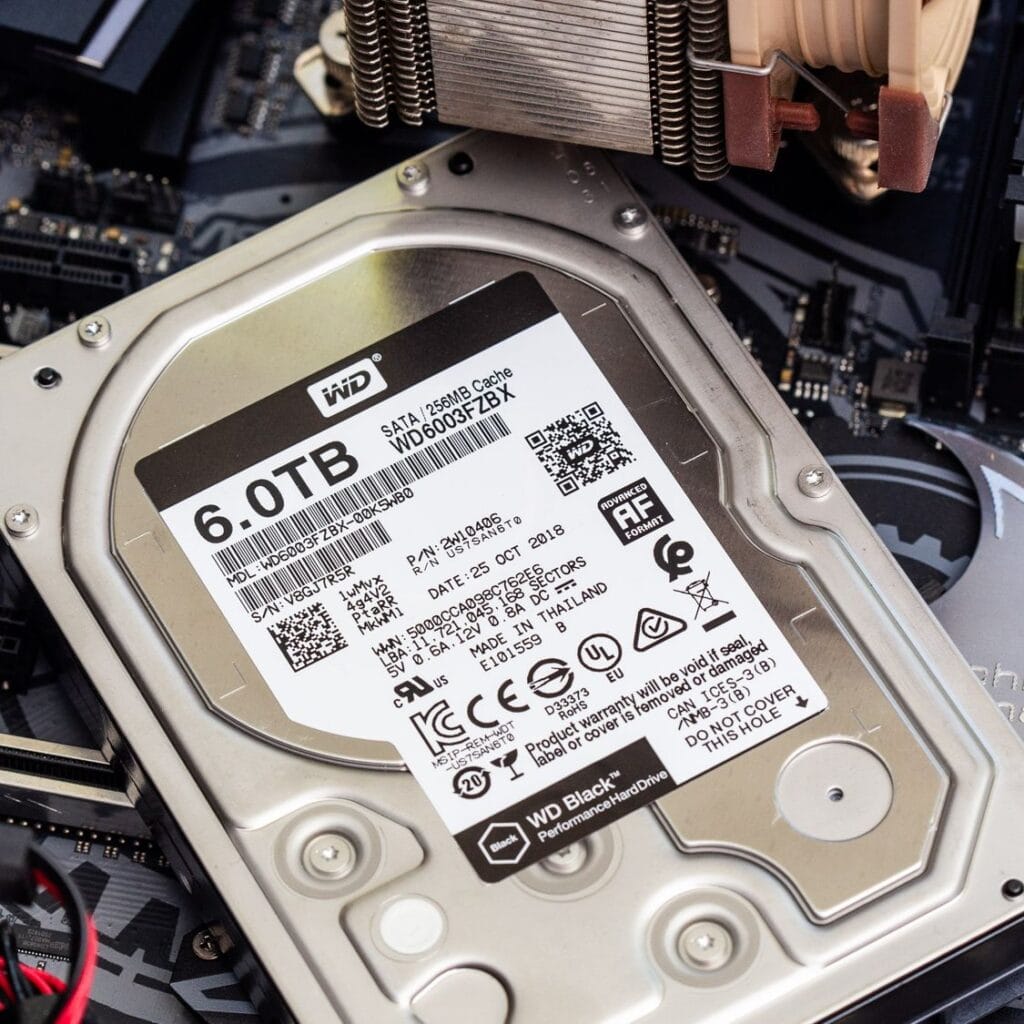
The broader takeaway is that hard drives, often viewed as a mature technology, are once again becoming central to the industry’s growth story. Expectations for the HDD market have changed as a result of China’s changing procurement policies and the persistent demand from AI data centers.
It will depend on how quickly supply can expand and whether AI infrastructure spending continues at its current pace whether the current pricing pressure becomes a longer cycle or eases.
For more daily updates, please visit our News Section.