
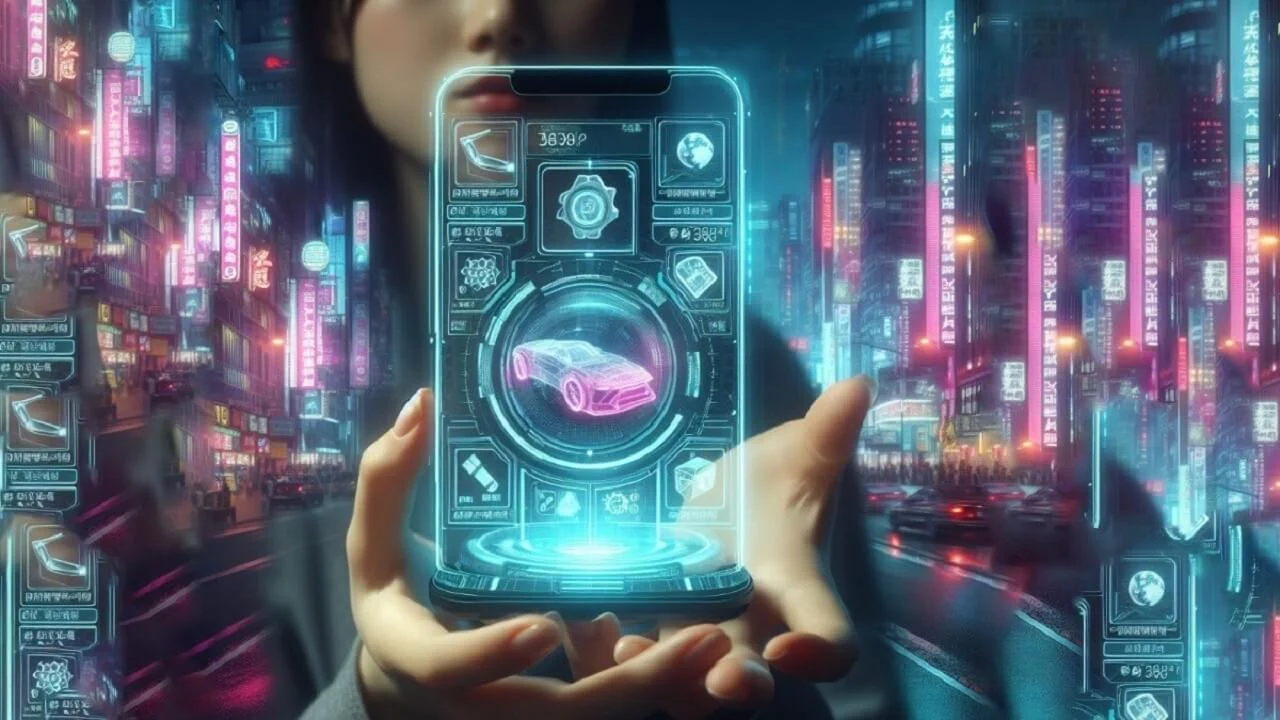
OpenAI is reportedly developing an innovative AI-driven smart device that could replace smartphones. This ambitious project, In partnership with former Apple chief design officer Jony Ive, aims to transform user interaction with technology by integrating advanced artificial intelligence into daily activities.
This device if successful has the potential to impact the mobile industry, posing a challenge to the dominance of traditional smartphone brands and reshaping consumer behavior.
OpenAI Plans to Build A New AI Device
For many years, smartphones have played a pivotal role in digital communication and productivity, but OpenAI envisions a future in which AI-powered devices will assume this responsibility. OpenAI’s device distinguishes itself from traditional smartphones by utilizing generative AI to predict user requirements, simplify interactions, and offer a more intuitive experience, rather than necessitating manual navigation of interfaces, app engagement, and command input.
Jony Ive’s involvement, the design will be sleek, user-friendly, and possibly voice interaction, removing the need for screens and touch interfaces. The goal is to develop a device that effortlessly integrates AI into daily activities without the distractions and social interruptions often linked to smartphones.
OpenAI Device Impact on the Mobile Industry
If OpenAI’s device effectively supplants traditional smartphones, it may result in a significant transformation within the mobile industry. Leading Brands like Apple, Samsung, and Google, which currently dominate the smartphone market, would need to adapt quickly to this new AI-driven framework. Rather than competing on hardware specifications, camera quality, and display technology, these companies would need to focus on AI integration, cloud computing solutions, and seamless user experiences.
Apple and Google have already taken steps in this direction by integrating AI features into their current devices. Google’s Pixel phones utilize AI for various functions, including photography, call screening, and real-time translation services, Meanwhile Apple’s latest iPhones have integrated OpenAI’s ChatGPT via Apple Intelligence. However, these AI features are still secondary to the overall smartphone experience. In contrast, OpenAI presents a device that prioritizes AI, reducing traditional smartphone features to highlight interactions driven by AI.
OpenAI Device Challenges and Market Response
OpenAI’s AI device will face challenges. Past attempts at AI-driven hardware like Humane’s AI Pin and Rabbit R1, did not meet expectations primarily due to software limitations and usability problems. Consumers demand both reliability and convenience, and an AI-exclusive device must prove its ability to replace a smartphone rather than serve as a secondary gadget.
Additionally, convincing users to abandon their smartphones in favor of an AI-driven device will not be easy. Smartphones are deeply integral to daily life, and features like messaging, social media, and app ecosystems are difficult to replace. OpenAI must clearly that its device offers superior functionality without the drawbacks of past AI-focused products.
Future of AI-Powered Devices
If OpenAI’s vision comes to fruition, we may observe a gradual reduction in the prevalence of conventional smartphones, accompanied by an increase in AI-centric devices. This transition could usher in a new era in which users depend more on voice commands, wearable AI assistants, and cloud computing, rather than on physical screens and touch-based interfaces.
OpenAI’s device remains under development, and its eventual success or failure will significantly influence the trajectory of mobile technology. It remains to be seen whether it will completely supplant smartphones or merely compel current brands to hasten their advancements in artificial intelligence. However, it is undeniable that the mobile industry is poised for a significant transformation.
For more daily updates, please visit our News Section.