
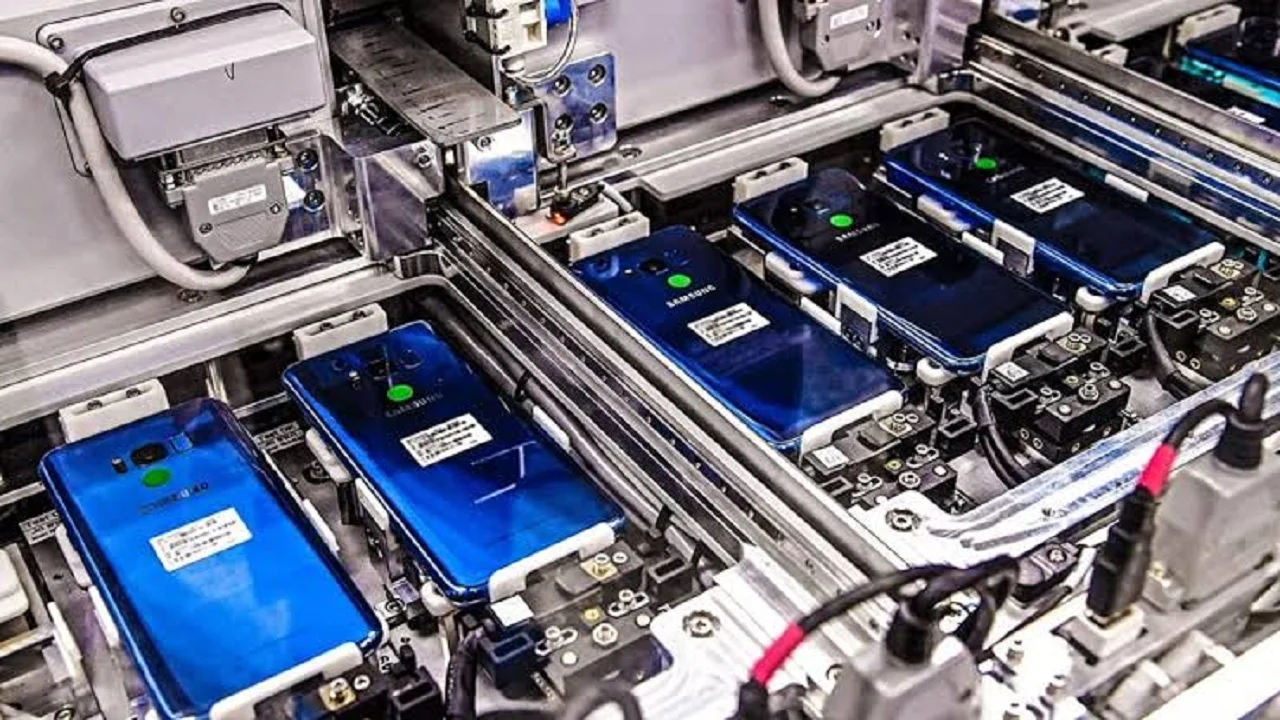
Pakistan’s mobile manufacturing sector has grown quickly in recent years. It now produces millions of phones assembled locally and has created thousands of jobs. But industry players are waiting for the government to unveil an updated Mobile Device Manufacturing Policy. They believe this new policy is essential for setting clear goals for local production, expanding to new devices like tablets and IoT devices, and opening export opportunities globally. Without this update, manufacturers worry that delays could slow growth and weaken the gains made over the past few years.
The government has been working on a revised Mobile Device Manufacturing Policy for some time. This new plan will set fresh localization targets, introduce export rules, and expand coverage to include tablets and IoT gadgets.
Sources report that the Pakistan Telecommunication Authority (PTA) is working with the Engineering Development Board and the Ministry of Industries and Production to overhaul the policy. The update will add new localization objectives, update export conditions, and include devices such as tablets, IoT, Point-of-Sale systems, and RFID technology.
Through low-cost labor and attractive export policies, Pakistan aims to become a key exporter of mobile devices worldwide.
In early 2025, local plants in Pakistan produced nearly 4.88 million mobile phones, far outpacing the 0.37 million devices imported. This growth supports Pakistan’s push for local industry strength and a reduced dependence on imports.
Since 2019, Pakistan has used DIRBS to fight illegal mobile devices. This system blocks unregistered and counterfeit phones from local networks, making the market safer. Building on DIRBS success, the Mobile Device Manufacturing Policy was launched in 2021. Its goal is to limit imports, increase local production, and grow the industry.
The policy aims to draw foreign investors, lower the cost of devices for consumers, and create jobs. PTA has issued regulations that guide local manufacturers while following international rules.
Despite economic struggles and the COVID-19 pandemic, the policy has made a big difference. PTA has approved 39 firms, including brands like Samsung, Vivo, and Oppo, to make phones locally. In the 2023-24 fiscal year, Pakistan manufactured/imported around 31.4 million phones about 29.6 million (94 percent) were made or assembled locally. This effort created around 60,000 jobs and cut dependence on imports. It also shows that consumers trust locally made devices for quality and cost.
The shift from DIRBS to a strong local industry shows how good policies and proper rules can make a difference. As the industry grows, Pakistan will become a notable player in the world mobile market. This will lead to more competition and new ideas in the sector.
For more daily updates, please visit our News Section.