

Early benchmarks suggest that Samsung‘s flagship Exynos 2600 chipset, based on 2nm technology, can compete with Qualcomm’s Snapdragon 8 Elite Gen 5 smartphone.
However, early numbers from an unreleased Exynos chip should not be taken too seriously if history is any indication. Fans who had hoped for a global Snapdragon rollout have been understandably disappointed by the rumor that Samsung is planning the S26 and S26+ with this in-house silicon in most regions.
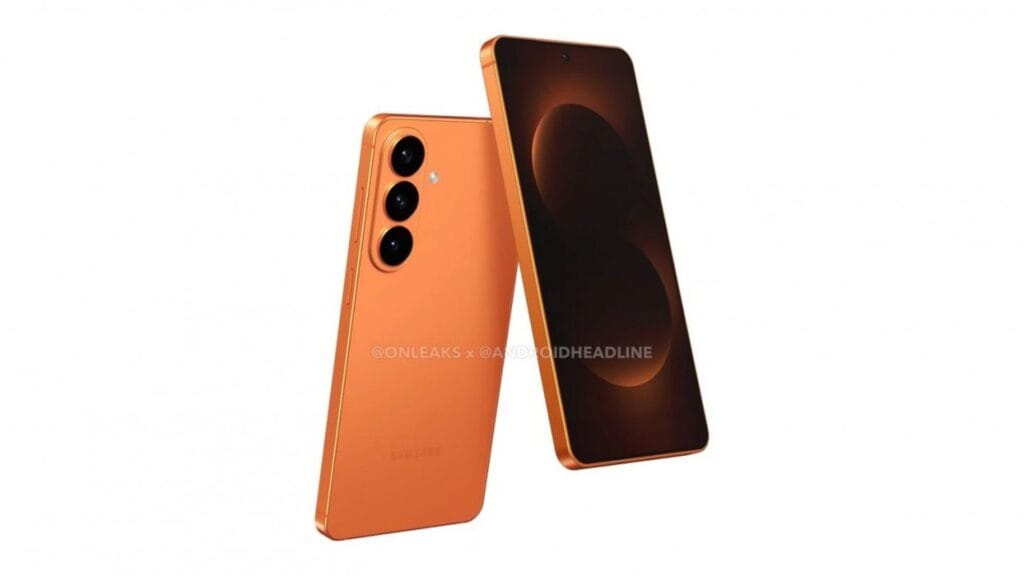
However, there may still be some good news. Wccftech recently reported that the Exynos 2600 will only be used in the Korean Galaxy S26 and S26+ models.
Snapdragon-powered devices are anticipated to arrive once more in the majority of global markets. This suggests that Samsung’s 2nm node’s current production yield is not yet sufficient to meet global demand, or that Samsung still lacks confidence in expanding Exynos internationally.
Overheating during prolonged workloads, kernel-level security concerns, and lower manufacturing yields are among the issues that South Korea’s CTT Research reveals in a more in-depth examination.
Consumer sentiment has been shaped by these issues for years, with Snapdragon variants consistently viewed as the safer bet for stability and performance.
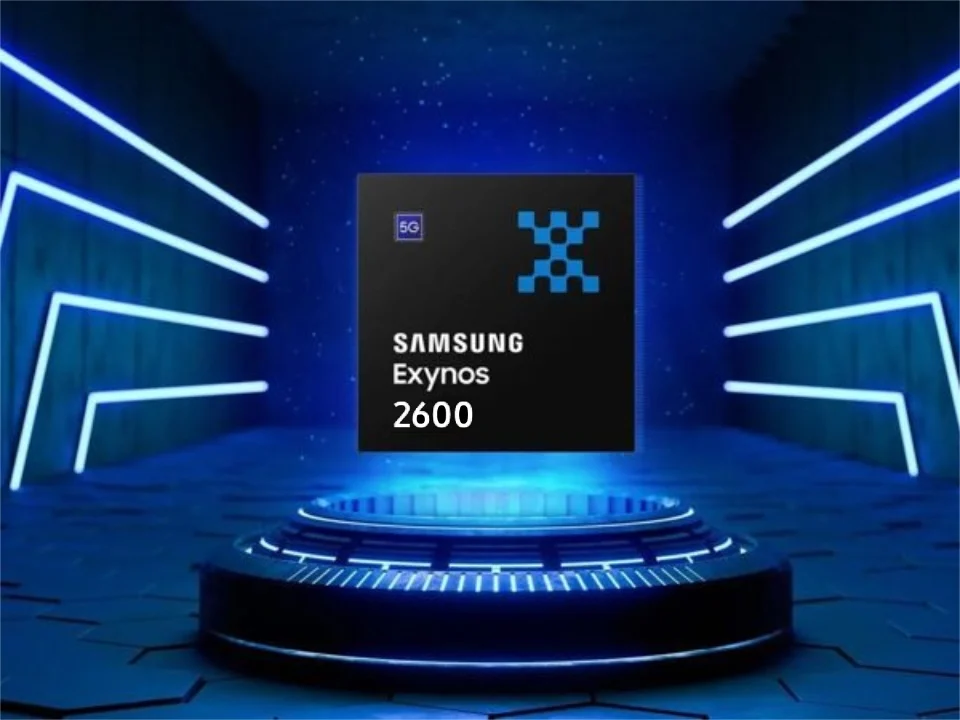
Samsung, of course, is making a concerted effort to alter that narrative. According to reports, the Exynos 2600 makes use of a brand-new structure called “Heat Pass Block” to boost its thermal performance, which could result in temperature reductions of as much as 30%.
In addition, the chip continues to increase productivity by making use of Fan-Out Wafer Level Packaging (FOWLP). Meanwhile, yield rates for the 2nm GAA process have reportedly improved to around 50%, a meaningful step up from the previous generation.
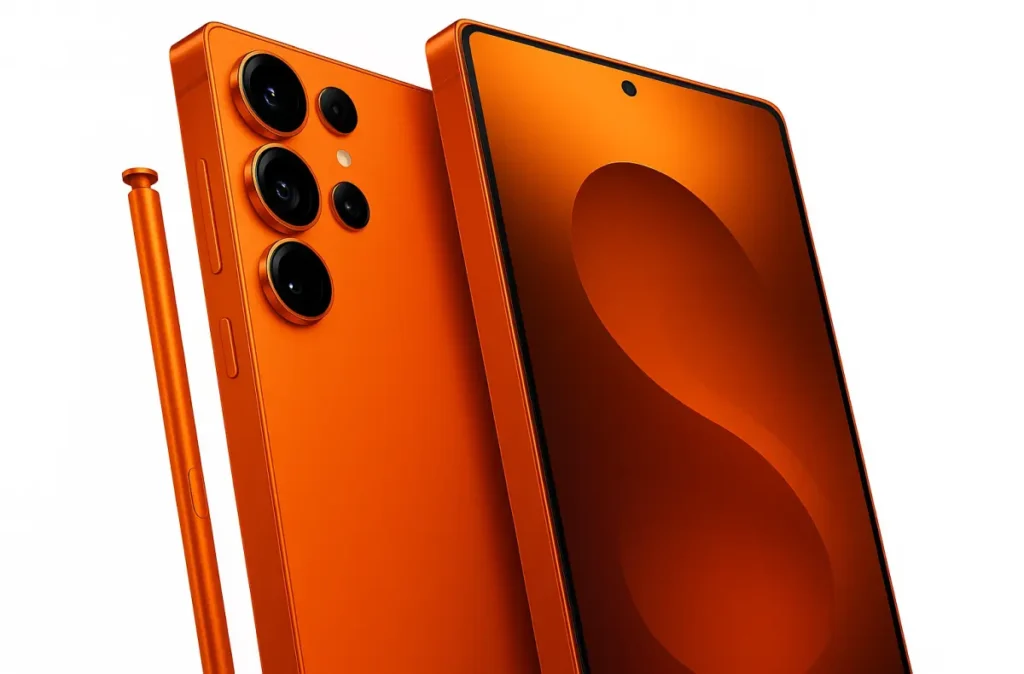
However, in addition to the technical difficulties, there is a significant business issue as well: Samsung is bound by a multi-year agreement that mandates that approximately 75% of Galaxy S flagship models include Snapdragon chips.
Any global scale-up would be risky if Exynos were to expand too rapidly, which could result in costly penalties.
For the time being, Samsung’s newest silicon effort will only be available to South Korean customers; customers from other countries can disregard concerns regarding heating or performance differences.
Don’t skip a beat! Get our free daily newsletter for the best tech news and join our Telegram community for instant updates!
For more daily updates, please visit our News Section.