
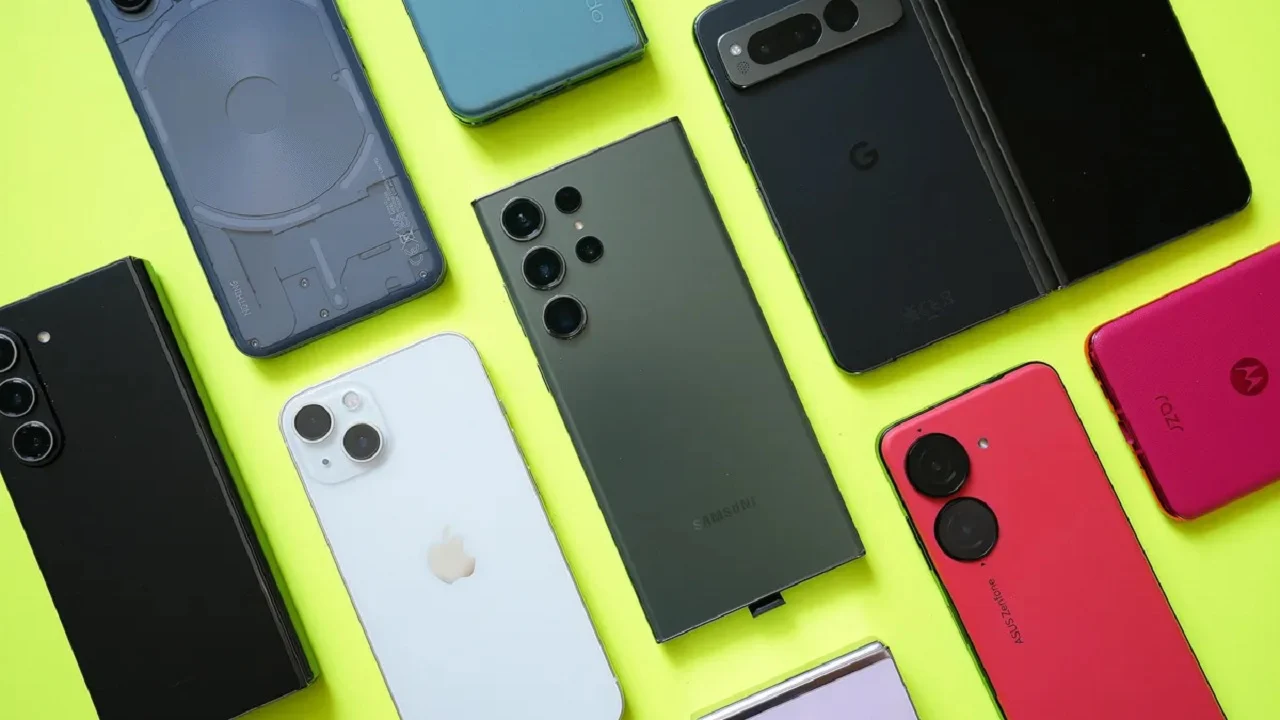
A new strategy to lower taxes and levies on mobile phone imports into Pakistan is being developed by the Federal Board of Revenue (FBR).
Lawmakers, business groups, and consumers are becoming more concerned that high taxes have rendered cellphones unaffordable for a significant portion of the populace.
The National Assembly Standing Committee on Finance will analyze a comprehensive plan that the FBR is reportedly putting together.
In order to match tax laws with market realities, the FBR is also required to confer with the Pakistan Telecommunication Authority (PTA) as part of this procedure.
According to officials, a balanced strategy is required to safeguard public funds while maintaining the availability of mobile phones for common people. Instead of being a luxury item, smartphones are now seen as a necessary tool for internet services, digital payments, education, and communication.
Cellular Mobile Operators (CMOs) encouraged the FBR to remove regulatory obligations on telecom power equipment that is not produced locally during recent talks.
Additionally, they suggested a more comprehensive rationalization of responsibilities on telecom equipment. Since telecom businesses import equipment for network operations rather than for direct consumer sales, excluding the telecom services industry from the retail price list system was another important requirement.
According to FBR data, during the fiscal year 2024–2025, the government collected Rs82 billion in taxes from imports of mobile phones. Approximately Rs18 billion, or approximately 25% of the entire sum collected, came from expensive smartphones. Currently, there is just a five percent levy on mobile phones imported in CKD and SKD kits for local assembly, which has increased domestic production.
Smartphones are now more reasonably priced for users on a tight budget, with several local assembly companies producing models as little as Rs15,000.
However, politicians contend that users are burdened by high taxes on imported smartphones, particularly mid-range models. In today’s digital economy, smartphones are a basic necessity, according to members of the National Assembly Standing Committee on Finance.
Additionally, they have questioned the long-standing rationale for keeping high taxes because of Pakistan’s obligations under IMF programs.
The committee has instructed the FBR to write a thorough study on lowering these high charges, especially those related to the personal baggage and registration system.
Syed Naveed Qamar, the chairman of the committee, recommended that the FBR and the Tax Policy Office review the present tax rates and take consumer relief measures into consideration.
The PTA has made it clear that mobile phones are not subject to any direct taxes. PTA also made it clear that all duties are collected by FBR.
The PTA Chairman claims that only 6% of smartphones—mostly high-end models—are imported, with the remaining 94% being made locally. Nowadays, the majority of big smartphone brands—aside from Apple—are produced locally.
For more daily updates, please visit our News Section.