

For years, the biggest obstacle to scaling AI was simple: there weren’t enough GPUs to go around. That era, according to Microsoft CEO Satya Nadella, has quietly come to an end.
Speaking alongside OpenAI’s Sam Altman on the Bg2 podcast, Nadella delivered a surprising update: Microsoft is no longer chip-supply constrained. Electricity, not silicon, is the new limit for AI development.
Nadella disclosed that Microsoft currently possesses an inventory of accelerators that cannot be powered on. He stated that you can “have a bunch of chips sitting in inventory” while you wait for grid-connected data center space.
The problem now is finding “warm shells,” which are ready-built data centers with sufficient grid capacity, rather than securing Nvidia GPUs.
The change marks a significant shift in the industry. GPU shortages and lengthy waiting lists dominated the news just 12–24 months ago. Local power grids, lengthy permitting procedures, and the sheer volume of electricity required to run modern AI clusters at scale are the current limitations.
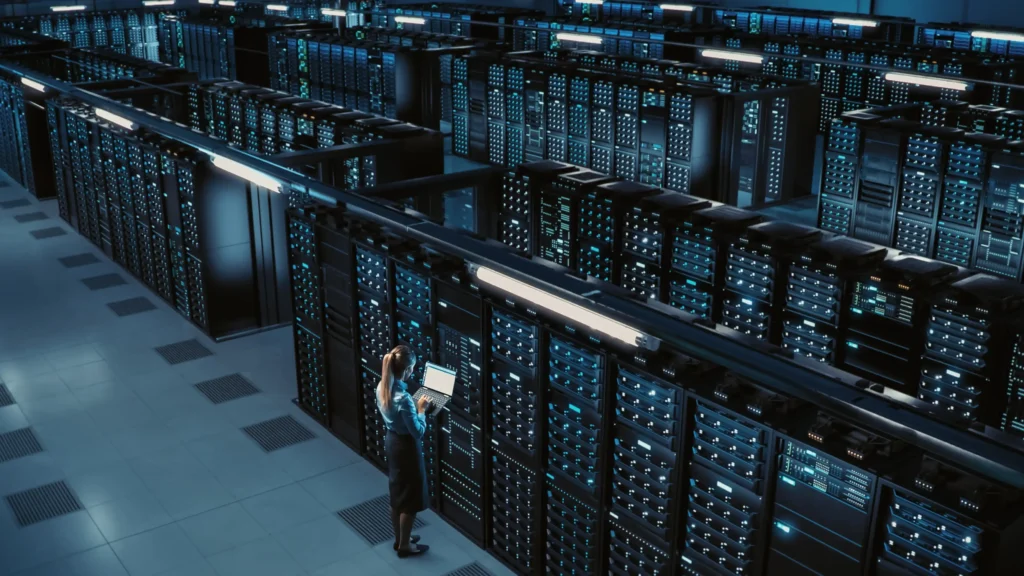
Some new hyperscale facilities already consume as much power as small cities, and the demand curve shows no sign of flattening.
Cloud giants are being forced to adopt entirely new strategies as a result of this fact, such as investing in small modular nuclear reactors (SMRs) to guarantee capacity in the future and locking in power purchase agreements for decades.
The race is no longer just about who can buy the most chips – it’s about who can secure the megawatts needed to switch them on.
The AI industry can learn a lot from Nadella’s message: the digital age’s physical infrastructure is reaching its limits. Investors, policymakers, and energy providers are now as critical to the next wave of AI breakthroughs as chip designers once were.
The GPU war, according to Microsoft’s CEO, is over. The struggle for scalable, dependable power has just begun.
For more daily updates, please visit our News Section.