

Manufacturers of electric vehicles warn that a tax increase could derail Pakistan’s push for clean mobility and raise national e-bike prices.
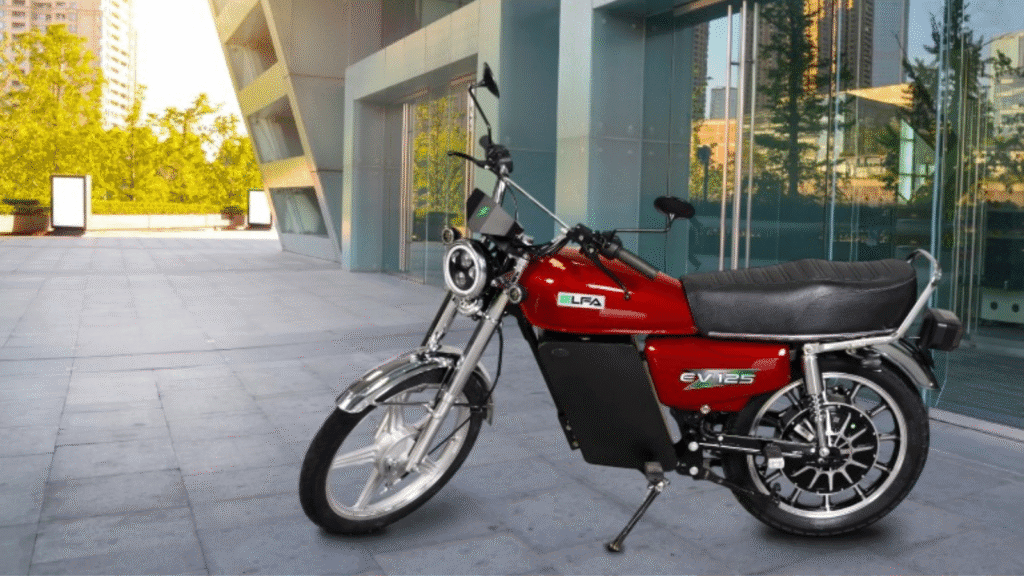
The Pakistani electric bike industry has voiced concern regarding the government’s decision to raise the sales tax on locally manufactured e-bikes from 1% to 18%, claiming that the move could severely hamper the nation’s fragile shift toward clean mobility.
Pakistan’s electric vehicle (EV) policy has made modest progress, but the sharp tax increase, which was implemented earlier this quarter, has sparked widespread concern among EV manufacturers, investors, and supporters of clean energy. They claim that it risks derailing those advancements.
Industry Sounds Alarm Over Policy Reversal
Representatives from Pak Star Automobiles and other manufacturers of e-bikes urged the government to immediately reconsider the tax increase in a meeting that was presided over by Special Assistant to the Prime Minister on Industries and Production Haroon Akhtar Khan.
Industry stakeholders argued that such a drastic jump in taxation would push up retail prices, discourage early adopters, and stifle investor confidence in Pakistan’s still-nascent EV market.
The EV industry is just beginning to take off. One manufacturer stated privately after the meeting that this kind of policy shock could set us back years, adding that affordability is essential for electric bikes to compete with gasoline-powered models in the mass market.
Electric bikes have emerged as the most practical entry point for Pakistan’s EV transition. The market had been growing steadily since 2022 due to low maintenance costs, decreased emissions, and expanding local production capacity; however, the new tax may slow that growth.
Government Pledges to Revisit Policy ‘Irritants’
In response to the outcry, Haroon Akhtar Khan reassured stakeholders that the government is aware of the difficulties facing the industry and will examine policy issues to ensure that the sector maintains its sustainable growth.
Khan reiterated Prime Minister Shehbaz Sharif’s vision for a clean, technology-driven manufacturing base and stated that the administration remains committed to supporting local players and expanding Pakistan’s EV ecosystem.
The EV policy is not only about industry, it’s about a cleaner Pakistan and long-term economic strength.
-Haroon Akhtar Khan
He stated that the government’s EV roadmap continues to emphasize domestic capacity creation, lowering the cost of petroleum imports, and encouraging manufacturing innovation.
The Tax Hike and Its Implications
The cost advantage that made e-bikes appealing to buyers with tight budgets is effectively eliminated by the change from 1% to 18% sales tax. According to manufacturers.
This change could raise the retail price of an average e-bike by Rs25,000 to Rs40,000, depending on the model, which would be a significant increase in a market that is price-sensitive.
By the end of 2025, the Pakistani market for electric bikes was expected to reach 100,000 units per year, according to industry estimates. However, analysts now warn that the target could be cut in half if the tax is not changed.
“This policy discourages adoption at the consumer level. People buy electric bikes to save fuel costs, but if the upfront price becomes unaffordable, they will switch back to petrol models.
-EV Bike Manufacturer
The sector also warns that a slowdown in demand could cause job losses in small-scale manufacturing clusters, reduce component orders, and disrupt local assembly operations.
Policy Uncertainty and Investor Confidence
In the beginning, Pakistan’s EV policy, which was implemented in 2020, offered tax breaks and incentives to encourage investment.
As a result of these measures, several businesses introduced inexpensive e-bikes for urban commuters, which helped kickstart local production. Investors, on the other hand, claim that the policy inconsistency makes long-term planning difficult due to the sudden reversal of fiscal incentives.
We need a stable and predictable policy environment. Frequent changes in tax structure or import duties make it impossible to plan investments in assembly lines or battery plants.
-a representative from an EV manufacturing company based in Karachi
Experts say the tax hike also sends a confusing signal at a time when global markets are accelerating toward electric mobility. If Pakistan’s government does not align taxation with environmental objectives, it runs the risk of missing out on localization of clean technology.
Government’s Broader Vision for Clean Mobility
Khan maintained that the government’s commitment to the development of electric vehicles has not changed in spite of the backlash.
He emphasised that Pakistan’s EV plan’s mandatory local manufacturing ratio in the second phase will support small-scale vendors, increase employment, and strengthen domestic production.
He also told the Engineering Development Board (EDB) to work closely with manufacturers to find bottlenecks and come up with solutions that can be implemented to help the industry grow smoothly.
We are not backtracking on the EV transition. Our goal is to make electric vehicles affordable and locally sustainable through better coordination and local value addition.
Khan says that the government wants to strike a balance between fiscal stability and industrial competitiveness to make sure that environmental goals don’t hurt economic feasibility.
Clean Energy Advocates Urge Coherent Strategy
Industry concerns have been echoed by energy and environmental experts, who have cautioned that Pakistan’s NEVP goals should be complemented, not opposed, by fiscal policies.
They argue that encouraging the use of electric vehicles could undermine broader sustainability goals, such as reducing urban air pollution and fuel imports, and that electric mobility is an essential component of the country’s commitments to combat climate change.
The Road Ahead: Balancing Revenue and Reform
Pakistani policymakers are balancing revenue generation and industrial promotion on a fine line as the country faces fiscal pressures and seeks to expand its tax base. The controversy over the e-bike tax shows how hard it is to keep green initiatives going when money is tight.
Insiders in the industry believe that a tax structure with tiers, with lower rates for EVs made locally and higher rates for imports, could achieve a more balanced solution. Manufacturers warn that the sector’s fragile recovery may stall until then.
As the government examines manufacturer feedback and decides whether to modify the tax policy, the coming weeks will be crucial.
For now, the debate depicts the tension between fiscal austerity and green innovation and raises a larger question about how committed Pakistan really is to its clean energy transformation.
If the tax burden remains unchanged, Pakistan’s electric bike revolution may slow to a crawl, threatening not just an industry but a vision of cleaner, self-reliant mobility.
For more daily updates, please visit our News Section.