

Pakistan’s recently unveiled Mobile and Electronic Devices Manufacturing Policy 2026–33 is being positioned as a pillar for export expansion, localization, and industrial progress.
However, as with a number of previous economic decisions, the policy seems to have been developed with industry goals in mind, with end users remaining mostly out of the discussion.
Concern over the proposed restriction on the import of used mobile phones is growing, especially since smartphone costs are already on the rise and consumer purchasing power is still declining.
Prices are rising; local manufacturing hasn’t stopped that
Both imported and locally made mobile phones have seen price increases in Pakistan over the last few months. The upward trend has been influenced by a number of factors, including currency devaluation, increased taxes, rising energy costs, and regulatory uncertainty.

Importantly, these hikes have not only applied to phones that are entirely imported. The notion that local manufacturing alone guarantees affordability for customers has been undermined by the reality that even companies that profit from local assembly incentives have increased their costs.
The missing high-end segment
With an anticipated yearly demand of 25–30 million phones, Pakistan is one of the biggest mobile phone marketplaces in the area. However, this market’s structure is highly distorted.
The new policy’s failure to address Pakistan’s lack of high-end smartphone manufacturing is one of its most glaring flaws.
Approximately 70–75% of phones made domestically are classified as entry-level or lower mid-range, with prices usually under PKR 60,000. The majority of devices above this level, especially flagship models, are imported.
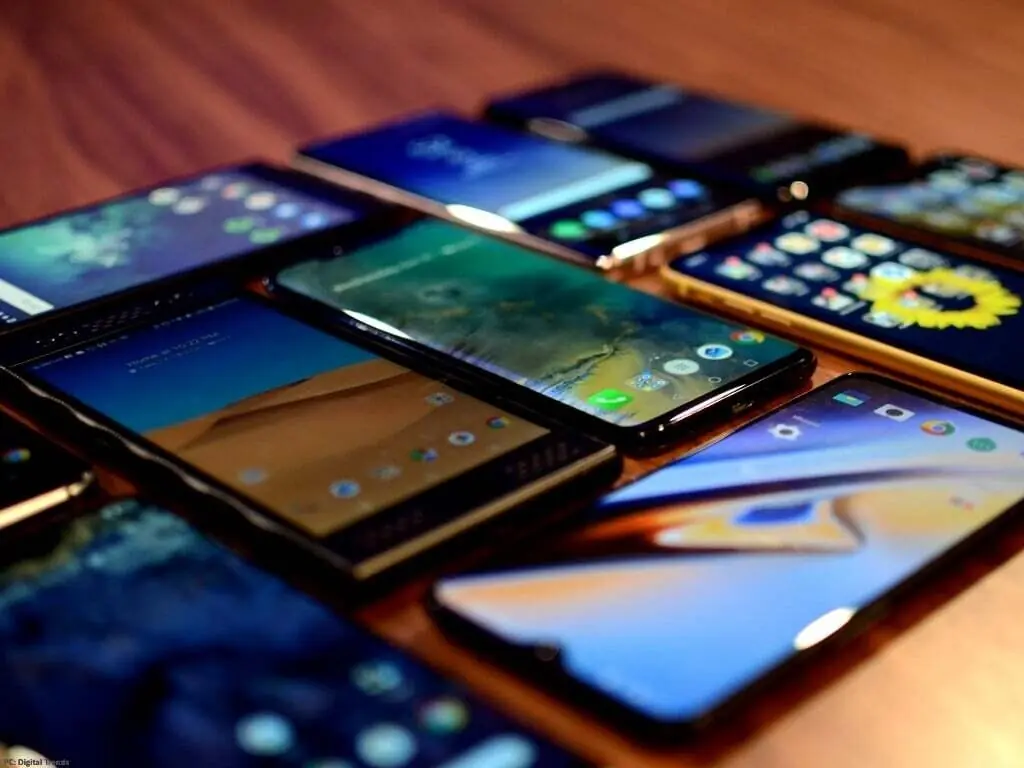
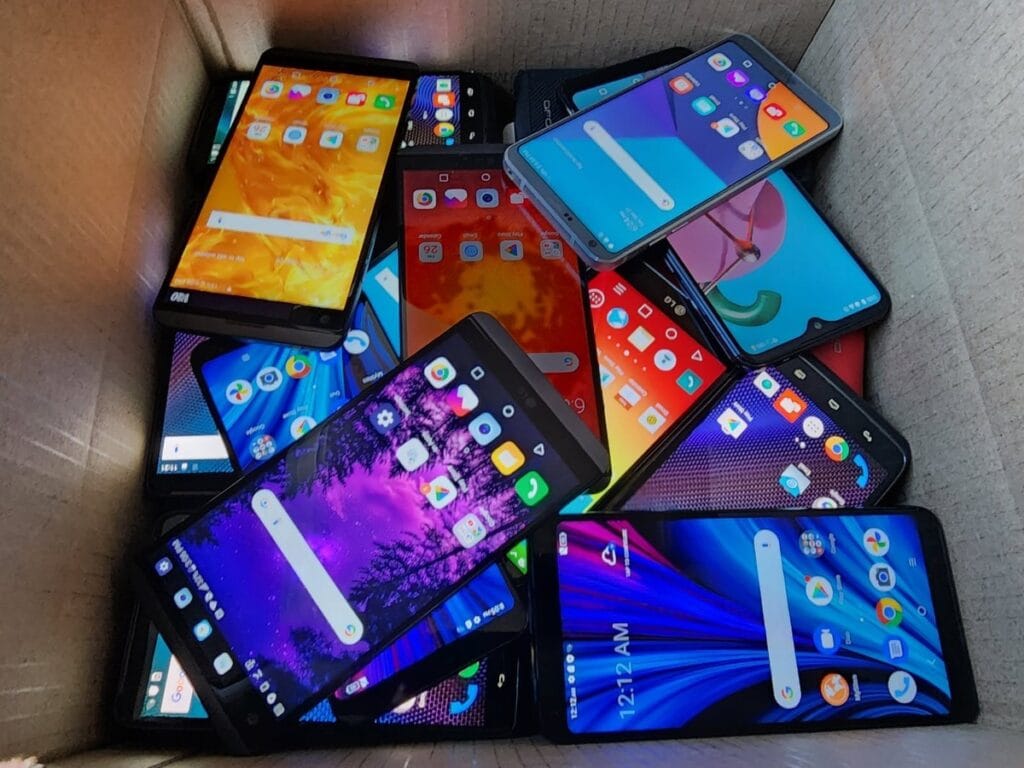
In Pakistan, a sizable portion of high-end devices are using foreign phones. According to industry estimates, one in three high-end cellphones are bought through the used-import route rather than as brand-new retail units in some urban markets.
Several of the most popular brands in the world, like Apple, Google (Pixel), and OnePlus, are not formally present in Pakistan. For many customers looking for high-end cellphones, secondhand imports are the only practical choice because their new gadgets are costly and mostly unavailable.
This requirement is not incidental. It depicts the realities of pricing. That option might soon be eliminated due to the proposed ban.
The affordability gap in real terms
Once customs and taxes are taken into account, new flagship cellphones from companies like Apple and Samsung frequently retail in Pakistan for two to three times the typical monthly urban income.
This gap was closed by used imports. When imported secondhand, a device that may cost PKR 350,000 can be found for PKR 180,000–220,000. It is still pricey, but professionals, independent contractors, and small business owners can afford it.
Used imports were essentially the only way to obtain products like Google Pixel and OnePlus, which are not officially distributed in Pakistan.
That pricing ladder is completely eliminated by the ban.
Why restricting demand does not automatically build supply
The strategy is predicated on the idea that limiting imports will drive demand toward domestic manufacturing, ultimately enticing multinational companies to make investments.
However, international manufacturing decisions depend on:
- Stable energy pricing
- Predictable tax and regulatory regimes
- Supply chain depth
- Export viability
- Skilled labor
Pakistan is still having trouble in all five areas. Industrial customers continue to pay some of the highest electricity rates in the area, and legislative changes have undermined investment confidence.
These dangers have been highlighted during the previous ten years by the leaving or reduction of operations of several foreign corporations.
Import restrictions by themselves are unlikely to spur investment in high-end manufacturing if these foundations are not addressed.
Global tech pressures will not spare Pakistan
Costs are also rising in the worldwide smartphone market. Global supply chains have tightened and prices have increased due to increased competition for AI-capable gear, such as sophisticated CPUs, memory, and RAM.
Regardless of Pakistan’s internal policy, these forces nevertheless exist. Import restrictions run the risk of driving up prices and making high-quality equipment even more unaffordable for local consumers if there are no viable local alternatives.
A growing risk of digital exclusion
Purchases of smartphones are no longer optional. They are vital resources for communication, digital payments, education, freelancing, and service access.
Restricting access to powerful devices could exacerbate Pakistan’s digital divide, especially for young professionals, freelancers, and students who depend on performance-intensive smartphones for work and education.
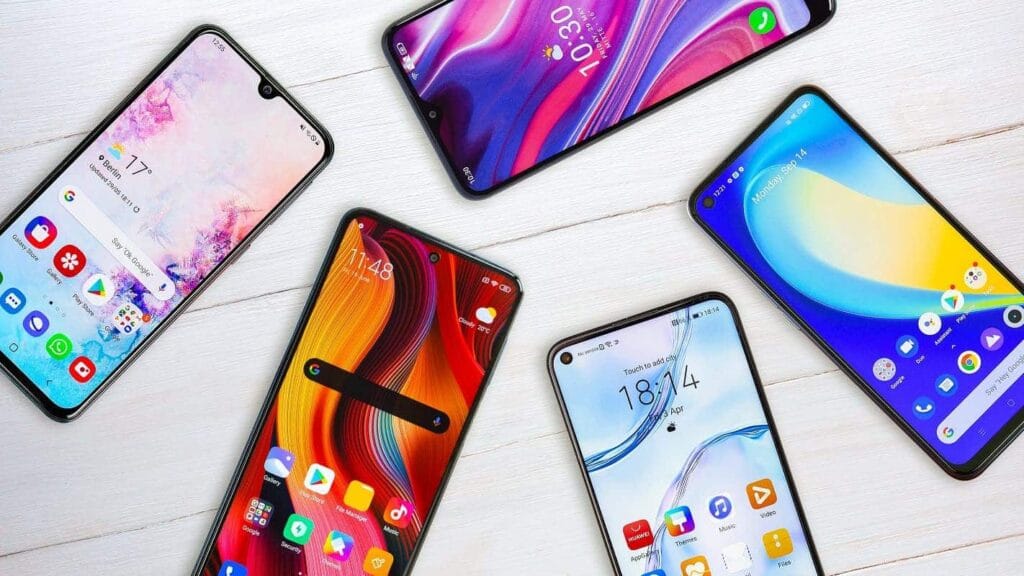
Even as the rest of the globe shifts toward AI-enabled consumer gadgets, Pakistani customers may eventually fall behind their peers in the region due to fewer options and greater costs.
Why used phones mattered to Pakistani buyers
Used imported smartphones performed a significant market role in this setting. They made better-performing devices more affordable for customers, particularly for those who prioritized long-term usability, software support, and high-quality cameras.
Used phones were a sensible option rather than a temporary fix for many Pakistanis, and they were frequently the only way to get a functional smartphone without having to pay high import costs.
What a consumer-aware policy could look like
Consumer protection and industrial expansion are not mutually exclusive. A more balanced strategy would include transparent evaluations of how regulatory changes impact availability and prices, as well as gradual transitions as opposed to outright prohibitions.
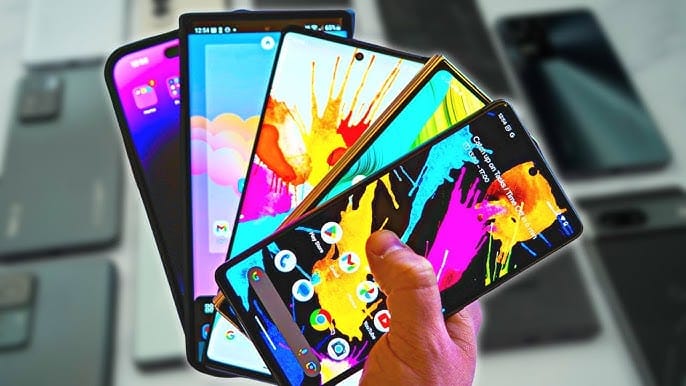
The gap between industrial aspiration and market reality might be closed with clear localization deadlines, temporary consumer protections, and reasonable expectations for high-end production.
Conclusion: growth at whose expense?
It makes sense that Pakistan is working to expand its base of electronics production. Policies that ignore customers, however, run the risk of undermining their own goals.
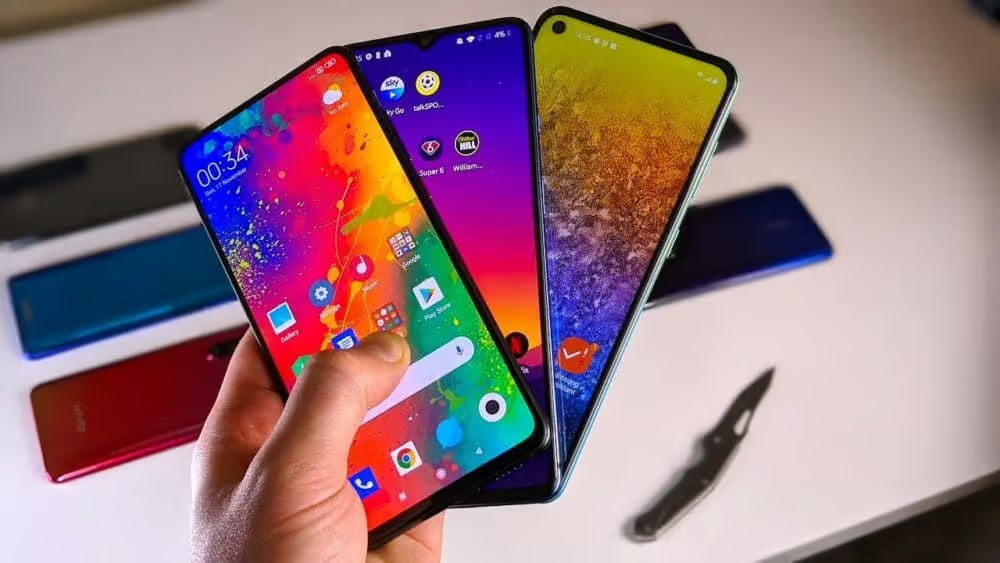
Restricting access to high-quality cellphones could delay rather than accelerate digital adoption in the absence of cost, choice, and confidence.
There will continue to be concerns about whether Pakistan’s mobile manufacturing strategy is intended for its citizens or at their expense until consumer impact is considered as a fundamental policy priority.
For more daily updates, please visit our News Section.